Choosing between the Garmin Vivoactive 4 and the newer Vivoactive 5 comes down to understanding how each model serves different fitness and wellness priorities. The Vivoactive series has long been Garmin's answer for athletes who want a balanced lifestyle watch, blending advanced training metrics with everyday health monitoring. The arrival of the Vivoactive 5 introduces significant changes in display technology and wellness tracking, making this comparison essential for anyone weighing an upgrade or a first-time purchase. This guide provides a professional, data-driven breakdown of both models, offering clear purchase guidance that deserves a bookmark.
| Feature & Selling Point |
Garmin Vivoactive 4 |
Garmin Vivoactive 5 |
| Display Type |
Transflective MIP (always-on) |
AMOLED touchscreen |
| Battery Life (Smartwatch Mode) |
Up to 8 days |
Up to 11 days (5 days AOD) |
| Battery Saver Mode |
Up to 6 additional days |
Up to 21 days total |
| GPS-Only Battery |
Up to 18 hours |
Up to 21 hours |
| Morning Report |
Not available |
Included |
| Body Battery Energy Monitoring |
Yes (with insights) |
Yes with personalised insights Gen 5 |
| Heart Rate Monitoring |
Elevate Gen 3 |
Elevate Gen 5 |
| Preloaded Sports Apps |
20+ |
30+ GPS and indoor apps |
| On-Wrist Music |
Yes (storage + streaming) |
Yes (storage + streaming) |
| Microphone & Speaker |
Yes |
Yes (for calls and voice) |
| Case Size Options |
45mm and 40mm (S) |
42mm (single size) |
| Display Always-On Option |
Yes (MIP default) |
Yes (5 days battery with AOD) |
The most immediate difference lies in the display and battery trade-off. The Vivoactive 5 adopts a vivid AMOLED panel, bringing a modern aesthetic and sharper visuals, while the Vivoactive 4 relies on a sunlight-readable MIP screen. Interestingly, the AMOLED model still manages to offer longer battery life in smartwatch mode, a clear sign of efficiency improvements in the newer hardware.
Display Technology and Visual Experience
The shift from MIP to AMOLED represents the defining generational change in this comparison. The Vivoactive 5's AMOLED touchscreen delivers deeper blacks, higher contrast, and a more vibrant color palette, which makes glanceable data like watch faces and notifications noticeably more pleasing. This display type also supports a wider range of customizable watch faces, allowing users to express personal style with greater flexibility.
Garmin retained the always-on display option on the Vivoactive 5, but with a realistic caveat: running the screen continuously drops battery life to roughly five days. The Vivoactive 4, by contrast, uses a transflective MIP panel that stays on permanently without incurring a major battery penalty. For users who train outdoors under intense sunlight, the Vivoactive 4's screen remains highly legible, whereas the Vivoactive 5 sometimes requires a wrist raise to achieve full brightness in bright conditions.
Brightness and Outdoor Visibility
Under direct sun, the MIP panel of the Vivoactive 4 reflects ambient light efficiently, offering a natural readability edge. The AMOLED panel of the Vivoactive 5 compensates with a high peak brightness that works well in most scenarios, though it relies on a backlight rather than reflection. For runners who prefer to glance down without exaggerated gestures, the Vivoactive 4 can feel more traditional.
Customization and Aesthetics
The Vivoactive 5 opens up a broader ecosystem of animated and data-rich watch faces thanks to the AMOLED panel. Users can take advantage of vivid colors and smoother animations, giving the watch a more modern feel. The Vivoactive 4, while more limited in this regard, still offers a substantial library of complications and widgets that pair well with its utilitarian display.
Battery Life: Real-World Endurance
Battery performance often dictates how users interact with a smartwatch. The Vivoactive 4 provides up to eight days of smartwatch mode, which many found adequate for a week's use. The Vivoactive 5 extends this to eleven days under normal usage, improving convenience without requiring a bulkier battery. In GPS-only mode, the newer model also excels, offering 21 hours compared to 18 hours on the older one.
This enhanced efficiency comes from a combination of the more power-savvy AMOLED driver and improved internals. Garmin's choice to implement an efficient low-temperature polycrystalline oxide display driver helps mitigate the power draw typically associated with AMOLED panels. The result is a rare scenario where a brighter display and longer battery life coexist.
The battery saver modes further differentiate the two. The Vivoactive 4 can stretch to roughly two weeks in its power-saving state, while the Vivoactive 5 reaches up to 21 days. For ultra-distance athletes or multi-day hikers, this extended headroom reduces charging anxiety during expeditions.
Wellness and Health Tracking Features
Both models share a robust suite of health metrics including sleep tracking, respiration, and hydration logging. However, the Vivoactive 5 benefits from newer sensor hardware in the Elevate Gen 5 heart rate monitor, which Garmin states enables more accurate readings across more active use cases compared to the Elevate Gen 3 found in the Vivoactive 4.
A standout feature of the Vivoactive 5 is Morning Report, a wellness digest that provides a snapshot of sleep quality, recovery status, and daily readiness as soon as the user wakes. The Vivoactive 4 relies on manual inspection of these metrics in the Garmin Connect app, which offers the same data but without the consolidated briefing experience.
Body Battery and Stress Insights
Garmin's Body Battery energy monitoring appears on both devices, but the Vivoactive 5 introduces personalised insights tied to Gen 5 heart rate variability data. This feature explains how daily decisions, such as exercise timing or caffeine intake, affect energy reserves in a more actionable manner. The Vivoactive 4 provides standard body battery tracking with basic insights, which serves well but lacks the same granular recommendations.
Sleep tracking also sees subtle improvements on the Vivoactive 5, including a nightly sleep score that benchmarks sleep quality against personal averages. The Vivoactive 4 tracks light, deep, and REM stages, yet it does not generate the same immediate narrative about sleep debt or consistency.
Fitness and Training Capabilities
On the fitness side, both watches include built-in GPS, a barometric altimeter, and a compass, making them suitable for running, cycling, swimming, and outdoor activities. The Vivoactive 5 comes with more than 30 preloaded sport apps, a notable jump from the 20-plus apps on the Vivoactive 4. New options include guided breathing, walking, and even pickleball, reflecting a broader approach to recreational fitness.
Despite the expanded app library, the Vivoactive 5 omits some advanced training metrics found on the Vivoactive 4, including pulse oximetry acclimation and the older model's specific performance condition feature. The Vivoactive 4 also retains a slightly larger display option at 45mm, which some users prefer for easier data visibility during workouts.
For those who follow structured training plans, both models provide Garmin Coach adaptive workouts. The Vivoactive 4 integrates with Firstbeat Analytics, offering VO2 max estimates and training load focus. The Vivoactive 5 continues this support, though Garmin has focused the newer device more on health-centric features than raw performance analytics.
Design, Size, and Daily Wear
The Vivoactive 4 previously came in two case sizes, 45mm and 40mm, accommodating a wide range of wrist sizes. The Vivoactive 5 simplifies this with a single 42mm case, which Garmin designed to fit most wrists comfortably while maintaining a smaller footprint on slimmer users. The 42mm case sits between the old 40mm and 45mm options, offering a compromise for those who found the larger version too bulky.
Both watches use a fiber-reinforced polymer case with a metal bezel, ensuring durability without excessive weight. The Vivoactive 5 includes a silicone strap with an updated quick-release mechanism that makes band swaps faster. Users transitioning from the Vivoactive 4 will also notice the newer polymer back, which integrates the charging pins in a slightly recessed area.
Daily wear benefits from the lighter 42mm form factor of the Vivoactive 5, especially during sleep tracking where bulk can disrupt rest. The Vivoactive 4 at 45mm remains a substantial piece, preferred by users familiar with traditional sports watches who value a more prominent case presence.
Smart Features and Connectivity
Both models offer smart notifications, calendar alerts, and music storage with streaming support from select services. They also include an onboard speaker and microphone, enabling direct calls from the wrist when paired with a phone.
The Vivoactive 5 supports a newer version of Garmin's notification filtering, allowing users to reply with smart responses on some Android phones. This feature operates similarly on the Vivoactive 4, but firmware support on the older device has slowed, making the newer model the better option for long-term software updates.
Garmin Pay contactless payments are present on both watches, covering all major markets and participating banks. The Vivoactive 5 also integrates with the Garmin Connect app's redesigned dashboard, where detailed health graphs display more prominently for modern user expectations.
Making the Right Choice
The decision between the Vivoactive 4 and Vivoactive 5 hinges primarily on display preference and budget. The Vivoactive 4 enjoys a lower entry price and still performs admirably for athletes who value a rugged outdoor screen and a more traditional watch footprint, especially at 45mm. Bargain hunters commonly find the Vivoactive 4 discounted, making it an attractive value proposition for core fitness tracking.
The Vivoactive 5, meanwhile, targets users who prioritize modern AMOLED aesthetics, a slimmer 42mm fit, and advanced wellness insights like Morning Report. The additional battery life and superior screen visuals justify the higher cost for many, with overall functionality that exceeds the generation before it. Both series continue a shared heritage of reliability, and the choice ultimately reflects whether design or data display matters more to the wearer.
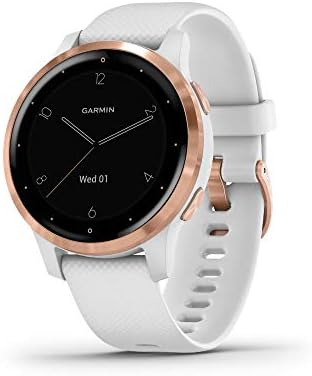
When comparing the two, consider how a sunlight-readable MIP display Garmin Vivoactive 4 fits a more budget-conscious, outdoor-oriented daily routine, while like the AMOLED-equipped Vivoactive 5 steps forward with an elevated visual experience and improved longevity. Both models sit comfortably in the broader lineup of top Garmin smartwatch selections, catering to different preferences in the same trusted ecosystem.
 Just Pick Your Favorite Stylish Watch online

















Item Reviews