The Fitbit Charge 5 and Garmin Vivoactive 5 represent two distinct philosophies in wearable fitness technology. The Charge 5 arrives as a sleek, band-style tracker focused on daily wellness and stress management, while the Vivoactive 5 functions as a full-fledged smartwatch with advanced training metrics and impressive battery endurance. For anyone weighing a fitness band against a versatile smartwatch, understanding these differences matters more than raw spec sheets because each device serves a different type of user with unique priorities.
This comparison serves as a practical guide for purchase decisions, offering a detailed breakdown of the core specifications and selling points of both wearables. The table below presents the essential data side by side, allowing for quick reference during the decision-making process. By the end, readers will have the clarity needed to choose the device that aligns with their fitness goals and daily habits.
| Feature & Selling Point |
Fitbit Charge 5 |
Garmin Vivoactive 5 |
| Form Factor |
Slim tracker band |
Full smartwatch with AMOLED display |
| Display |
Color touchscreen (AMOLED) |
Bright AMOLED touchscreen |
| Battery Life (Smartwatch Mode) |
Up to 7 days |
Up to 11 days (5 days with always-on display) |
| Built-in GPS |
Yes |
Yes |
| Stress Tracking |
EDA Scan + Daily Readiness Score |
Body Battery energy monitoring |
| Sleep Monitoring |
Sleep Stages + Sleep Score |
Advanced sleep tracking with insights |
| Workout Modes |
20+ exercise modes |
30+ built-in sports apps |
| On-Wrist Music |
No (Controls only) |
No (Controls only) |
| Smart Notifications |
Text, call, calendar alerts |
Smart notifications with text reply (Android) |
| Key Selling Point |
Daily Readiness Score for recovery |
Long battery life + Body Battery energy |
The table highlights a critical divergence: the Vivoactive 5's 11-day battery life eclipses the Charge 5's 7-day endurance, a significant factor for users who dislike frequent charging. On the other hand, the Charge 5's Daily Readiness Score provides a simpler, more direct recovery metric, whereas Garmin's Body Battery serves a similar purpose but integrates with a broader ecosystem of training data.
Design Philosophy and Daily Wear Comfort
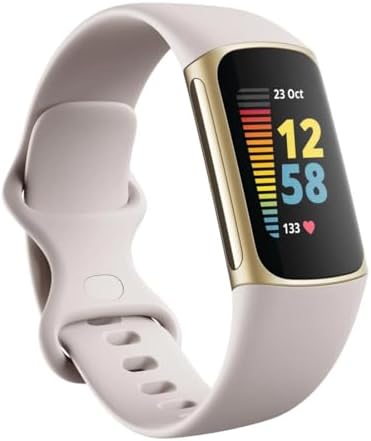
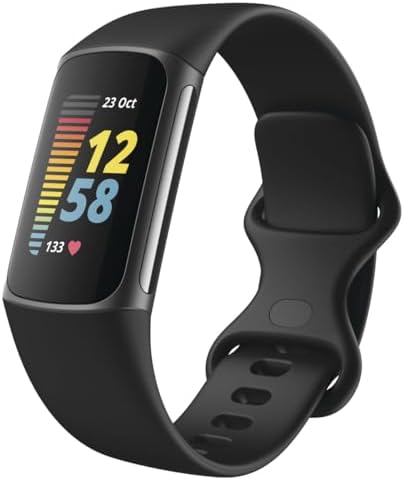
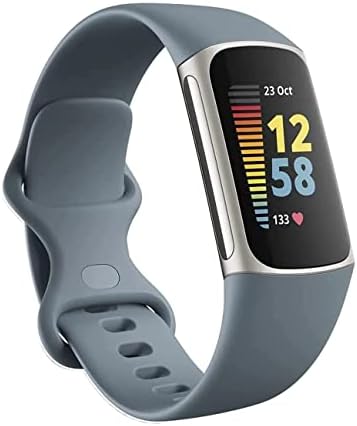
The physical design of each wearable dictates how it feels during workouts, at the office, and while sleeping. The Fitbit Charge 5 adopts a streamlined tracker silhouette with a lightweight aluminum case and a comfortable silicone band, making it nearly unnoticeable during sleep. Its small footprint appeals to users transitioning from basic activity bands, offering essential smartwatch features without the bulk.
In contrast, the Garmin Vivoactive 5 adopts a more traditional watch form, featuring a 1.2-inch AMOLED display housed in a durable polymer case. The larger screen enhances readability for glanceable data like workout stats and notifications, while the quick-release bands allow for effortless style changes. Garmin positions this model as an all-day wearable that suits both gym sessions and casual social settings, prioritizing versatility over minimalist bulk.
Comfort also extends to weight distribution and skin contact. The Charge 5's sensor array sits flush against the wrist, which supports continuous heart rate and EDA tracking. The Vivoactive 5, while heavier, uses an updated heart rate sensor that maintains accuracy during high-intensity intervals. The choice ultimately hinges on personal preference: band-style minimalism versus smartwatch functionality.
Health Monitoring: Stress, Sleep, and Recovery Metrics
Both devices excel in health tracking, but their approaches differ significantly. Fitbit's ecosystem centers on actionable insights through metrics like the Daily Readiness Score, which combines sleep, heart rate variability, and exertion to recommend whether the user should push hard or rest. The electrodermal activity (EDA) scan further measures stress responses, offering guided mindfulness sessions directly on the Charge 5's screen.
Garmin's Vivoactive 5 answers with the Body Battery feature, which estimates energy reserves on a 0-100 scale based on HRV, stress, sleep, and activity. This system grows more accurate with usage, making it a favored tool for endurance athletes who structure training around recovery windows. Those interested in a full-featured Garmin smartwatch will find the Vivoactive 5 also includes a dedicated nap detection feature, a subtle but useful addition for shift workers or parents tracking fragmented sleep.
Sleep tracking quality varies as well, reflecting different measurement philosophies. Fitbit relies on its established sleep stage algorithm, providing a clear breakdown of light, deep, and REM sleep plus a daily score. Garmin offers comparable sleep metrics but frames them within the wider context of training readiness, making the Vivoactive 5 more attractive for athletes who view sleep as a performance variable.
Fitness Tracking and Built-In GPS Performance
For outdoor enthusiasts, the accuracy of built-in GPS determines how reliably pace, distance, and route data are recorded. Both the Charge 5 and Vivoactive 5 include GNSS support, eliminating the need to carry a phone during outdoor runs or bike rides. The Vivoactive 5 adds multi-band support in select regions, improving accuracy in challenging environments like dense urban canyons, although standard GPS mode remains identical in simplicity.
Workout mode selection is another crucial difference. The Charge 5 offers 20+ exercise modes, covering common activities like running, cycling, swimming, and weightlifting. The Vivoactive 5 expands this library to 30+ built-in sports apps, including niche categories such as pickleball, paddleboarding, and indoor climbing. For multisport athletes, the broader selection reduces the need to manually custom-track activities, providing a more seamless workout logging experience.
Users seeking a deeper analysis of running dynamics will find the Garmin ecosystem more accommodating. The Vivoactive 5 connects to external sensors like heart rate straps and foot pods, enabling advanced metrics such as ground contact time and vertical oscillation. Fitbit does offer running form data through its Premium app, but third-party sensor connectivity remains limited on the Charge 5.
Smartwatch Features and Connectivity Options
Beyond fitness tracking, daily convenience features influence the long-term value of these wearables. The Charge 5 provides smart notifications for calls, texts, and calendar events, plus quick replies on Android devices. Fitbit Pay supports contactless payments from the wrist, a feature mirrored by Garmin Pay on the Vivoactive 5, turning both devices into wallets for coffee runs or transit rides.
The Vivoactive 5, however, offers a few extras that elevate the smartwatch experience. Users can store music from streaming services like Spotify or Amazon Music directly on the device, enabling phone-free listening when paired with Bluetooth headphones. The Charge 5 does not support offline music storage, limiting its usefulness for runners who prefer leaving their phone at home. On-wrist music remains a significant differentiator for gym enthusiasts and outdoor athletes.
Voice assistant integration further separates the two. Garmin equips the Vivoactive 5 with both on-wrist voice response and smartphone voice assistant compatibility, allowing users to reply to messages or initiate workouts hands-free. The Charge 5 continues to rely on the Fitbit app for voice features, which requires reaching for the smartphone. This subtle difference reflects Garmin's focus on self-contained operation versus Fitbit's app-centric approach. For a broader look at Garmin's connected ecosystem, top Garmin watch selections showcase consistent innovation across the full lineup.
Battery Life Analysis: The Vivoactive 5's Endurance Advantage
Battery performance often becomes the deciding factor for wearable users. According to Garmin's official specifications, the Vivoactive 5 delivers up to 11 days in smartwatch mode, extending to 21 days in battery saver mode. With the display set to always-on, the duration drops to 5 days but remains respectable. GPS-only tracking lasts approximately 21 hours, sufficient for marathon runners and ultramarathon participants in a pinch.
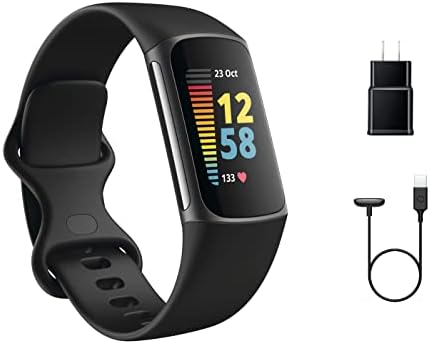
By comparison, the Fitbit Charge 5 offers up to 7 days of typical use, which justifies its more frequent charging cycle. While 7 days is acceptable for activity tracking, users monitoring sleep patterns nightly might struggle to find an optimal charging window. The Charge 5 comes with a proprietary magnetic charger that reaches a full battery in roughly 2 hours, whereas the Vivoactive 5's charging cable is also magnetic but takes slightly longer due to the larger cell capacity.
Frequent travelers will appreciate the Vivoactive 5's endurance, especially on week-long trips without packing a charger. The 21-day battery saver mode, which disables the always-on display and reduces smart features, turns the device into a dedicated activity tracker, extending usability even further. For users who grew accustomed to Garmin's efficiency, like the Garmin Fenix 7 for extended backcountry expeditions, battery expectations reach even higher levels, though at a premium price point.
Software Ecosystem and Long-Term Value
The companion app experience shapes how users interact with their data. Fitbit's mobile app pairs with the Charge 5 to deliver a clean, consumer-friendly interface, guiding users through daily activity scores, food logging, and menstrual health insights. The Fitbit Premium subscription service adds deeper analytics, personalized guidance, and advanced sleep tools, although the core tracking features remain free.
Garmin's Connect app offers a steeper learning curve but rewards users with extensive customization through connect IQ apps, watch faces, widgets, and data fields. The analysis tools on Garmin Connect appeal to data-driven athletes who appreciate graphs, training load metrics, and performance trends over weeks or months. This structural difference means users should evaluate their comfort with complexity; frequent athletes might prefer Garmin's depth, while casual users may want the straightforwardness of Fitbit.
Third-party compatibility also comes into play. Fitbit data exports to services like Apple Health and Google Fit, though the process lacks seamless two-way streaming. Garmin Connect supports broader ecosystem integrations with platforms like Strava and TrainingPeaks, ensuring that users can maintain their existing training tools alongside the Vivoactive 5's inputs. Data portability features carry weight for serious athletes transitioning from other systems.
The software experience also defines hardware longevity. Garmin regularly pushes firmware updates to extend features without requiring new hardware. The Vivoactive 5 has already received numerous improvement updates since its launch, including new sports profiles and bug fixes. Fitbit similarly maintains its device with periodic updates, but users should consider Google's ownership of the company, which has historically raised developmental questions. The current status indicates continued feature additions for Charge 5 users.
Water Resistance and Durability Considerations
Both wearables hold a 5 ATM water resistance rating, meaning they can withstand pressures equivalent to 50 meters' depth. This spec qualifies them for shallow water activities like swimming in pools or open water, although neither device supports dive logging. Shower-proof concrete pants are a given, but users should avoid hot tubs and high-velocity water sports like water skiing, as the seals might degrade faster.
The casing materials affect scratch endurance and structural stability. Fitbit wraps the Charge 5 in a lightweight aluminum frame, which resists corrosion but can develop nicks after knocks against equipment. The Vivoactive 5 uses Garmin's proprietary fiber-reinforced polymer for the case, coupled with a Corning Gorilla Glass 3 lens. Careful users might find the Garmin construction slightly more tolerant of heavy impact, especially under trail running conditions.
Despite possessing a screen smaller than a typical smartwatch, the Charge 5's display remains fully functional during open water swims due to subtle touch sensitivity compensation. The Vivoactive 5 features similar water-lock modes in its software, disabling the screen during swimming sessions to prevent accidental presses, which coincides with Garmin's customer-first design philosophy. Users should feel confident wearing either device for triathlon training, a crucial consideration for a fitness-focused purchase.
Choosing The Right Fitness Companion For Your Lifestyle
Selecting between the Fitbit Charge 5 and Garmin Vivoactive 5 requires reflecting on personal habits and preferred metrics. A first-time fitness tracker user who prioritizes simplicity, stress awareness, and sleep guidance will likely lean toward the Charge 5, benefiting from its compact design and approachable app. With the support of a vibrant ecosystem found in the Fitbit range, users can gradually adapt to consuming health insights.
Conversely, a seasoned athlete or smartwatch veteran will value the Vivoactive 5 for its battery longevity, sport-specific modes, external sensor compatibility, offline music, and advanced Garmin Connect analytics. The watch integrates naturally into a disciplined training routine while simplifying daily notifications and routine tracking. The device bridges the gap between pure fitness trackers and full-featured sports watches, making it exceptionally versatile.
Those who alternate between intense training cycles and casual everyday use will find the Vivoactive 5's compatibility with accessories like heart rate straps especially practical. Such openness can maximize physiological feedback during structured workouts, reducing guesswork during interval repetitions or threshold runs. These distinctions position the Vivoactive 5 as the more future-proof choice, offering room to grow alongside advancing athlete expertise, even for newcomers willing to climb a modest learning curve.
 Just Pick Your Favorite Stylish Watch online














Item Reviews