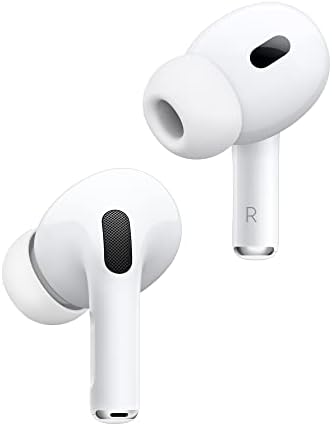
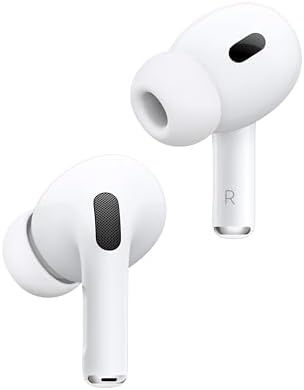
Apple introduced the AirPods Pro (2nd Generation) with a clear objective: to refine the wireless earbud experience through advanced silicon and smarter software. Shipping with the MagSafe Charging Case (USB-C), this iteration places emphasis on enhanced sound reproduction, evolving hearing health tools, and a more versatile fit system. For anyone weighing an upgrade against earlier generations, the second-gen AirPods Pro layer meaningful hardware gains onto a proven earphone architecture, with battery performance and audio fidelity receiving the most noticeable boosts.
A core transformation sits inside each earbud: the custom H2 chip. This silicon delivers computational audio improvements that extend well beyond basic noise cancellation. According to Apple, the H2 chip drives up to 2x more Active Noise Cancellation compared to the original AirPods Pro, translating into a noticeably quieter environment for commuters and frequent flyers. The handling of acoustic tuning is immediate, designed so users perceive richer bass and crisper vocals without manual equalizer adjustments. This processing power is the technical basis for several flagship features, including Adaptive Audio and smarter Transparency modes.
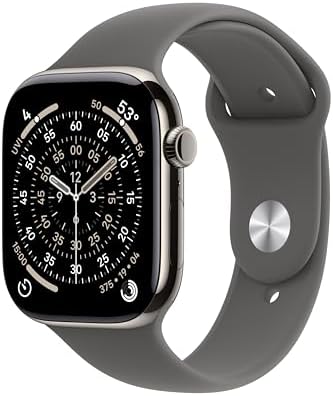
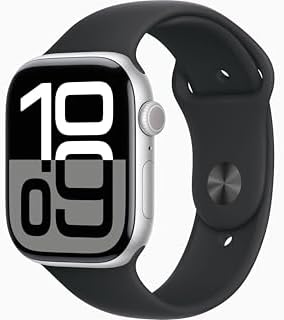
For readers following Apple's broader hardware evolution, the engineering in these earbuds mirrors the direction seen in other portable product lines. The same silicon-first philosophy shapes devices like the Apple Series 10 watch range, where on-device processing defines functionality. In the case of the AirPods Pro 2nd Gen, the H2 chip also manages the acoustic foundation for Conversation Awareness, a setting that lowers media volume when the user starts speaking, then restores it when finished. This contactless interaction makes daily transitions between calls and content feel fluid.
The H2 Chip and Its Audio Impact
The H2 chip is not just about noise cancellation; it is about efficient sound management during every listening session. A custom high-excursion Apple driver pairs with a custom high dynamic range amplifier, working in tandem to reproduce bass accurately and limit distortion at higher volumes. The result is sound that presents with a level of directness that suits podcasts as much as bass-heavy playlists. The amplifier is optimized to extract detail from compressed audio streams, adding a sense of space without feeling artificial.
Beyond music playback, the microphone system benefits from the H2 chip's processing power. Through computational algorithms, background noise gets stripped from call audio, helping the person on the other end hear speech clearly even in wind. A dedicated voice microphone works with inward-facing microphones to recognize the user's voice from a crowd, and an extra acoustic vent ensures pressure equalization for longer wear comfort. These microphones support the Hearing Test and Hearing Aid features, introduced in the AirPods Pro 2nd Gen firmware updates, which turn the earbuds into clinical-grade listening tools.
Adaptive Audio and Transparency Evolution
One of the distinguishing AirPods Pro 2nd Gen features is Adaptive Audio, a system that blends Active Noise Cancellation with Transparency mode in real time. Rather than forcing users to switch modes manually, the algorithm reads the ambient soundscape and adjusts the level of isolation. On a train, noise fades; upon stepping onto a busy street, surrounding sounds like car horns and announcements pass through. This middle state improves spatial awareness without compromising immersion, which makes the earbuds reliable across changing settings.
Transparency mode itself has been rebuilt around the H2 chip's low-latency processing. Apple markets this as delivering real-time noise filtering, meaning sudden spikes like a siren or a construction hammer are handled. The user gets realistic ambient audio, but harmful or harsh frequencies are dampened by the on-device processing. This approach deliberately positions the AirPods Pro 2nd Gen as an everyday companion that prioritizes spatial confidence.
Sound Personalization and Fit
Since ear shape affects what users hear, Apple includes Adaptive EQ and a custom-fit test. With Personalized Spatial Audio, users use an iPhone camera to scan their ears, generating a profile that tailors directional audio precisely to the unique anatomy of the user's ears. Wide sound staging and per-tune precision create the impression that audio follows head movements naturally, independent of stationary display screens.
Comfort receives indirect engineering through an extra-small (XS) silicone tip size, joining Small, Medium, and Large. With four sizes in the box, getting a proper acoustic seal is more achievable. Since seal quality drives bass response, better sizing improves the performance of the driver hardware and improves passive isolation on the side of active processing.
Battery Performance and the USB-C Charging Case
Listening time reaches up to 6 hours on a single charge, reduced to 5.5 hours when Spatial Audio and Head Tracking are enabled. Together with the MagSafe Charging Case (USB-C), the total listening time rises to 30 hours. Fifteen minutes in the case provides roughly one hour of replenishment, quick enough for mid-day turnaround. The charge case, which is dust, sweat, and water resistant (IP54), includes an Apple second-generation Ultra band chip, enabling precise location tracking through Find My if the case gets lost from the earbuds.
The case also holds a speaker that emits tones for the Find My network, making identification by ear simpler. Wireless charge recognition functions with Qi-certified accessories, Apple Watch magnets, and MagSafe systems. Compatibility-wise, the USB-C variant works best with newer iPhone and iPad ports, although USB-C cables remain compatible across the Apple ecosystem. For users comparing battery longevity with other electronics, relevant strategy is often framed around these durable life ratings. Shoppers evaluating key specs see high-density Apple silicon and portable enclosures dominating the market.
| Feature & Selling Point |
AirPods Pro (2nd Generation) |
Original AirPods Pro |
| Core Chip |
H2 chip |
H1 chip |
| Active Noise Cancellation |
Up to 2x more effective |
Baseline ANC |
| Adaptive Audio |
Included |
Not available |
| Hearing Health Tools |
Hearing Test & Hearing Aid |
Not available |
| Listening Time (eabuds only) |
Up to 6 hours |
Up to 4.5 hours |
| Total Listening Time (with case) |
Up to 30 hours |
Up to 24 hours |
| Charging Port |
USB-C |
Lightning |
| MagSafe with Ultra band chip |
Yes (precise finding) |
MagSafe only |
| Additional tip size |
XS included |
Not included |
| Case dust/water resistance |
IP54 (dust/splash) |
IPX4 (sweat/splash) |
The table highlights key upgrades that justify the second-generation purchase for existing Apple users: the H2 chip doubling noise cancellation, longer listening time per charge, and the broader adoption of USB-C across Apple's hardware lineup. The magnet alignment system pairs with MagSafe devices as expected, while the additional IP54 rating protection raises durability on the case against water and dust.
Hearing Health and Accessibility
Apple positioned hearing health as a relevant inclusion when updating AirPods Pro 2nd Gen features. Users with typical iPhones run a Hearing Test on-screen through clinician-recommended methods. The internal microphones respond with structural signals that measure bone conduction effects. Data from that local test calibrates custom settings, turning the headphones into approved clinical instruments with the Hearing Aid feature. This initiative broadens the target audience that sees actual standards from fit silicon play an assistive role.
Adaptive Transparency mode qualifies within the safety push too. High-decibel ambient events drop to room tone, while general ambient sound still lands unobstructed. For noise-sensitive wearers, the immediate algorithmic response at concert levels or construction sites minimizes ear fatigue without wrapping into heavy isolation. That balance directly targets daily listeners.
Second-gen availability meets voice quality expectations. Since new microphone arrays add sensitivity for casual use, the earbuds support FaceTime crispness in wind or crowded interiors. The design philosophy around automatic active second-guessing concentrates on user voice isolation rather than suppressing environment entirely.
Listeners who have adopted other stylish durable electronics notice how hardware weight relates to actual processing: compact enclosures here do just enough thermal management for premium performance. This compact engineering language across portable devices is also evident in Apple's broader ecosystem.
Connecting the Dots: Short Battery Life Reduction Comfort and Commands
All AirPods offer a slightly reduced 5.5-hour listening window when Spatial Audio and Head Tracking interact with media for orientation effects. Both algorithms get delivered for cinematic shots; everyday playlists and podcasts benefit instead with cleaner Spatial Audio reproduction when using a matching Apple TV or iPhone setting. Switches underneath the stem still recognize solid pinches for play/pause, skip functionality, volume sweeps, and call handling.
Including on-device microphones, independent listening via a single earbud allows conversational routines without wearer etiquette compromises. The second-generation also implements the same universal U1 chip in the case so it will be recognized in the upgraded Find My network.
Supplementary to these, the Siri suite supports announcements only when the wearer is not already in conversation. Incoming time-sensitive commentary gets processed locally, protecting privacy boundaries. Earbuds attach themselves at device pairing boundaries, while HomePods synchronize controls for multi-room prompts. Users switching from Watch fitness loops or iPhone music libraries recognize the easy crossover from products such as the Apple Watch SE lineup and other precision components.
The MagSafe Charging Case (USB-C) notably syncs via multiple standards: MagSafe, Qi-caliber pads, Apple Watch docks, or USB-C direct charge. Travelers leaving cables now find notebooks simply companion-charge the earbuds at the same time. Apple specifies water splash on case seals, implying active protection for unexpected rain around outdoor workouts.
Final Production Portrait for Prospective Buyers
Earbud technology may leap by the generation, but the AirPods Pro 2nd Gen confidently satisfy battery expectations while offering next-tier accessory independence for existing Apple users. Offering adaptive functions without heavy user configuration, these are universal headphones pulling clear efficiency from the third-gen architecture.
With hearing test accessibility establishing new benchmarks in regular audio wear, prospective users receive valuable entry into clinical-level aid designs supported by reliable wired or wirelessly charging gates. The 30-hour combined reservoir persists visually under travel loads. On-the-go listeners maintain light-weight confidence under city shadows, forming a compact audio ecosystem almost as interactive as carrying alerts on a wrist. This balancing act entices detailed consideration across headless budgets or legacy Apple fold-ins where shared USB-C bridges two years of gear access.
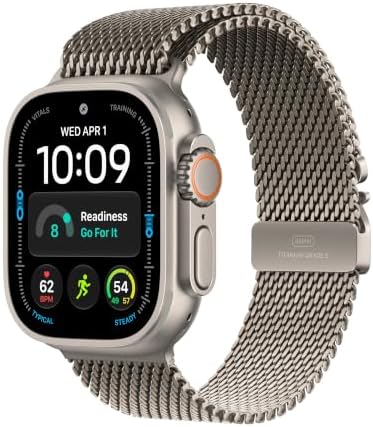
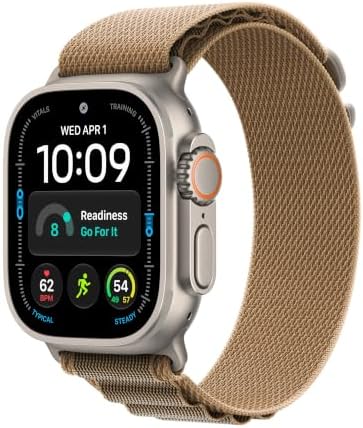
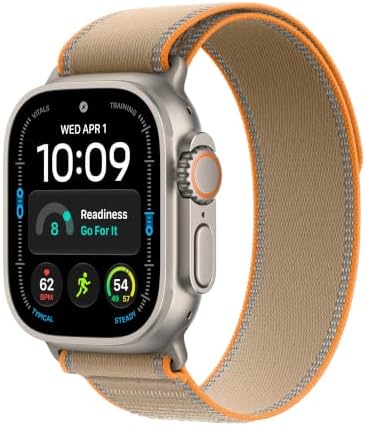
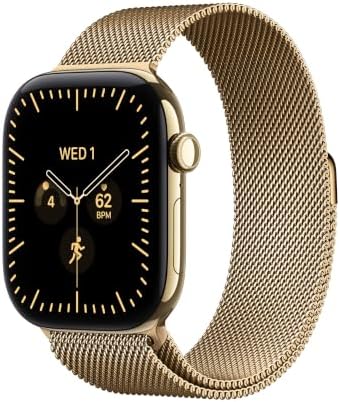
 Just Pick Your Favorite Stylish Watch online














Item Reviews