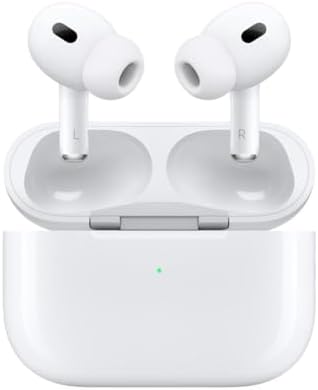
The Apple AirPods Pro 2 arrived as a mature refinement of Apple's flagship wireless earbuds, addressing earlier criticisms while introducing capabilities that extend far beyond music playback. Now equipped with a USB-C charging case and powered by the H2 chip, this second-generation model transforms from a simple audio accessory into a comprehensive hearing health device. From the upgraded Active Noise Cancellation to the newly integrated clinical-grade hearing test features, the AirPods Pro 2 represents a compelling fusion of consumer electronics and accessible health technology.
For those comparing premium earbuds, the AirPods Pro 2 stands apart because of the Apple ecosystem integration rather than a single standout specification. The H2 chip enables computational audio algorithms that adapt in real time, while the new low-distortion driver produces sound with impressive clarity across genres. However, the most significant shift appears in the software-driven features, particularly the Hearing Aid Function that positions these earbuds as a tool for auditory wellness, not merely an entertainment device.
The H2 Chip: Powering Smarter Audio Processing
At the core of the AirPods Pro 2 lies the Apple-designed H2 chip, which handles the heavy lifting for the earbuds' intelligent features. This silicon enables the upgraded Active Noise Cancellation, which Apple states cancels up to two times more noise compared to the original AirPods Pro. The H2 chip also drives the Adaptive Transparency mode, a feature that reduces harsh environmental noise-like a passing siren or construction work-while still allowing important sounds, such as conversations, to pass through naturally.
The processing power of the H2 chip also supports Personalized Spatial Audio. This feature uses the TrueDepth camera on compatible iPhones to create a personal profile of the user's ear geometry, resulting in a surround-sound experience that maintains consistent positioning of audio elements, whether watching a film or listening to music. Furthermore, the chip works in concert with the device's accelerometers and inward-facing microphones to deliver precise volume adjustments and voice detection.
One of the more technical improvements is the low-distortion audio driver and custom amplifier, which work together to produce deeper bass and crisper highs. The acoustic architecture has been redesigned to minimize audible distortion, even at higher volume levels. This combination of hardware and silicon allows the Apple AirPods Pro 2 Wireless Earbuds Bluetooth to deliver a listening experience that feels both detailed and natural.
Hearing Health: A New Role for Wireless Earbuds
The AirPods Pro 2 distinguishes itself through a suite of hearing health features introduced via software updates. Following regulatory approvals, Apple added a clinically validated Hearing Test function, which allows users to assess their hearing in a few minutes using an iPhone. The results are stored in the Health app and provide an audiogram-like profile that adjusts audio output to the user's specific hearing levels.
Building on those results, the Hearing Aid Feature transforms the AirPods Pro 2 into an over-the-counter style hearing aid for individuals with perceived mild to moderate hearing loss. An audiogram can be generated using the AirPods themselves or imported from a professional. The device then applies sound amplification and real-time adjustments to speech frequencies, making conversations clearer in noisy settings. This positions the AirPods Pro 2 in a unique category, bridging headphones and medical-grade assistive devices, a direction rarely attempted by competitors.
Additionally, the earbuds include conversation boost and background sound reduction features. These tools rely on the beamforming microphones to focus on voices directly in front of the wearer, while reducing peripheral noise. For users who find themselves in bustling offices or loud restaurants, these functions provide a practical layer of support that goes beyond standard accessibility settings found on other earbuds.
Design Refinements and the USB-C Transition
The physical build of the AirPods Pro 2 retains the familiar in-ear silhouette but includes small but crucial upgrades. The new XS ear tip size offers a better fit for those who previously struggled with larger options, and the improved acoustic seal directly enhances both noise cancellation and sound quality. Each earbud carries an IP54 rating against dust and water, offering greater resilience for workouts and outdoor use.
The charging case itself was redesigned to support USB-C charging, aligning with broader industry standards and Apple's current device ecosystem. The case includes a lanyard loop, a built-in speaker for Find My alerts, and an IPX4 water resistance rating for the case itself. Battery life remains impressive on this model; Apple specifies up to six hours of listening time with a single charge and up to 30 hours total when factoring in the charging case, which adds another four full charges.
For those who prefer a classic presentation, the Apple AirPods Pro 2nd Generation with Classic with the MagSafe charging case offers the same hardware experience with the convenience of wireless charging pads. Meanwhile, users who have misplaced a single unit can rely on the individually available Apple AirPods Pro 2nd Gen (USB-C) White, ensuring the investment is protected against accidents or everyday loss through the Find My network.
Active Noise Cancellation and Transparency Modes
Apple's approach to noise control on this model is best described as adaptive. The Active Noise Cancellation works dynamically, sampling the ambient sound around the user 200 times per second. This allows the algorithm to adjust cancellation strengths to match the current environment, whether sitting in a library or commuting on a train.
Transparency mode, in contrast, allows users to hear their surroundings while listening. The Adaptive Transparency variant improves on this concept by limiting loud noises. The H2 chip processes incoming audio and suppresses spikes at around 48 decibels to protect sensitive hearing, a feature that is particularly relevant in urban settings or concert venues where sudden loud noises can cause discomfort.
Audio Quality, Calls, and Conversation Awareness
Voice calls benefit significantly from the upgraded microphone system. The AirPods Pro 2 uses a dual beamforming microphone array that isolates the speaker's voice while diminishing wind and background chatter. Additionally, voice recognition accelerometers detect when the user speaks and automatically switch into conversation mode, lowering music volume and enhancing incoming voices for clearer interactions.
In terms of pure audio performance, the earbuds support high-bit-rate formats when used with Apple devices, delivering a detailed soundstage that suits everything from acoustic recordings to dense electronic productions. The integration with Apple Music's Spatial Audio library further enhances this experience, giving listeners access to tracks mixed specifically for head-tracking playback. Users coming from older models often notice the warmer tonality and less harsh treble response in these second-generation earbuds.
Battery Performance and Charging Versatility
Battery life is a critical factor for wireless earbuds, and the AirPods Pro 2 performs reliably in this area, although it does not lead the market in total playback time. The five-minute quick charge feature provides around one hour of listening time, which is convenient for users rushing out the door. Charging is supported through USB-C connectors, Qi-certified wireless chargers, or the MagSafe array integrated into the case.
Connectivity and Ecosystem Features
Pairing and switching among devices remain effortless due to the automatic switching functionality and iCloud synchronization. Whether starting a podcast on an iPhone and later opening the same content on an iPad, the transition is seamless. The location precision provided by the U1 chip in the charging case is one of the most functional implementations of Ultra Wideband technology currently available in audio accessories, helping users locate their earbuds with on-screen directional indicators if they are misplaced within a short distance.
For users weighing the merits of this model against standard Apple listing variations, the complete Apple offerings demonstrate consistent engineering philosophy across the range. While the Series 2 family members differ in physical design, the Pro 2 remains unique as the only variant in that segment dedicated to consumer health-related audio functions, an angle of differentiation that grows more relevant as digital health monitoring expands.
For fitness enthusiasts, the earbuds hold up well during extended training sessions due to the IP54 rating for both buds and case. The secure fit combined with dynamic head tracking also adds an engaging layer to workouts, making guided fitness audio sessions spatially aware. It is worth noting that wear detection accelerometers automatically pause music when an earbud is removed and resume playback when reinserted, a small feature that contributes significantly to daily convenience.
The path forward for audio wearables appears firmly linked to computational intelligence and health sensing, a direction Apple is leading with this product. The AirPods Pro 2 successfully navigates the space where style, technology, and healthcare converge, offering a sophisticated solution that meets the needs of a wide range of users, from audiophiles to individuals seeking practical auditory assistance. The enduring appeal of these earbuds lies in their continuous evolution through software, making each firmware update a potential gateway to new features and refined performance.
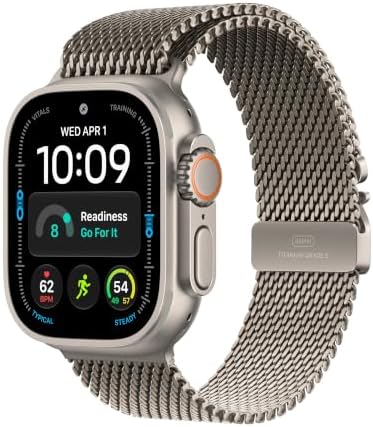
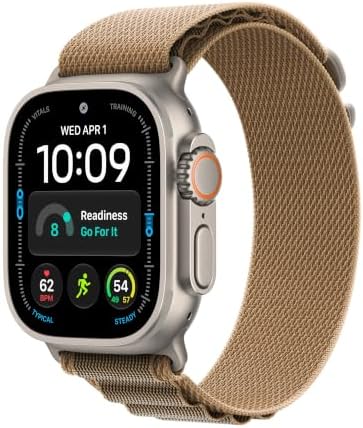
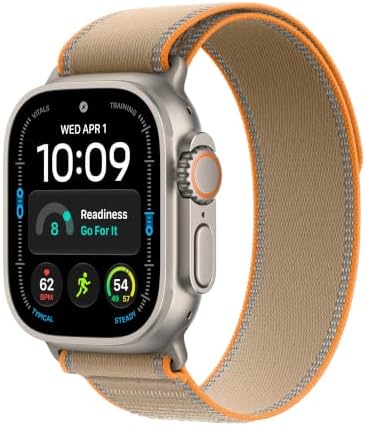
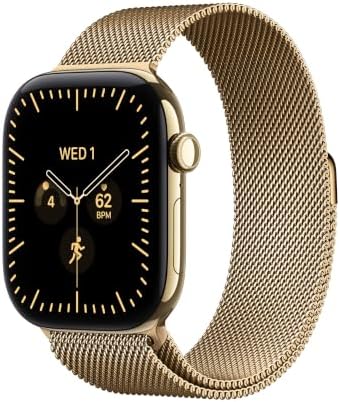
 Just Pick Your Favorite Stylish Watch online















Item Reviews