The Apple Watch Series 11 carries a water resistance rating of 50 metres under ISO standard 22810:2010, a figure that places it within the range of shallow-water activities including lap swimming and recreational snorkelling. That number alone does not explain why the model has become a reference point for swimmers who want stroke data, set tracking and heart rate trends without strapping on a dedicated training device. The real story sits in how the hardware rating and the software toolkit cooperate once the wrist enters the water.
Apple's own specification sheet lists pool swim and open water swim as distinct workout types, and the watch adds custom workouts for pool swims, splits, automatic sets, SWOLF scoring, automatic stroke detection and kickboard detection on top of them. For anyone weighing a purchase in the Series 11 collection, the swim features deserve close reading because they shape daily training more than any single hardware number. This guide walks through the rating, the metrics, the sensor behaviour and the practical limitations so the decision rests on evidence rather than marketing language.
What the 50-Metre Rating Actually Covers
Apple states that the Apple Watch Series 11 has a water resistance rating of 50 metres under ISO standard 22810:2010 and that this permits use during shallow-water activities such as swimming in a pool or ocean. The standard is a pressure-test benchmark rather than a depth rating for diving, and Apple's support documentation draws the line at high-velocity water and deeper submersion. Recreational lap swimming, water aerobics and showering after a session sit comfortably inside the stated envelope.
The distinction matters for buyers who move between environments. A 50-metre ISO rating on the Series 11 is the same class of protection Apple has offered on mainstream models for several generations, while the Apple Watch Ultra line steps up to 100 metres and EN13319 compliance for dive-oriented use. Swimmers focused on pool lengths, open water training and triathlon legs will find the Series 11 rating sufficient; divers and high-impact water sports users should look at the Ultra tier instead.
Pool Swim Metrics in Detail
Pool swim workouts on the Series 11 record distance, pace per 100 metres, stroke count and heart rate zones across the session. Automatic set detection recognises when a swimmer stops at the wall and restarts, which means interval training no longer requires tapping the screen between repetitions. Splits are logged per length so pacing consistency becomes visible over the course of a workout.
The SWOLF score combines time and stroke count per length into a single efficiency figure, and Apple's specification page lists it as a native pool swim metric. Lower SWOLF values indicate a cleaner length; tracking the number across weeks gives a clearer picture of technical progress than distance alone. Custom workouts let a swimmer pre-build a set structure, such as warm-up, drill, main set and cool-down, and the watch guides the session without manual intervention.
Open Water and Stroke Recognition
Open water swim workouts rely on GPS for distance and pace, which makes satellite positioning central to the experience outside the pool. Automatic stroke detection identifies freestyle, backstroke, breaststroke and butterfly, then logs the mix across a session; kickboard detection separates kick sets from full-stroke lengths so the data does not flatten distinct training blocks into one category.
Hardware Behind the Swim Data
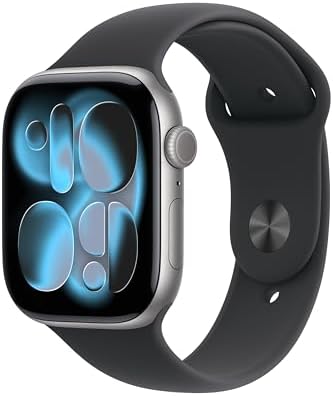
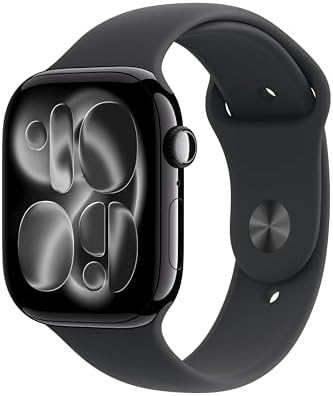
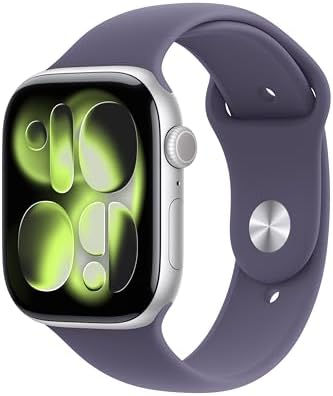
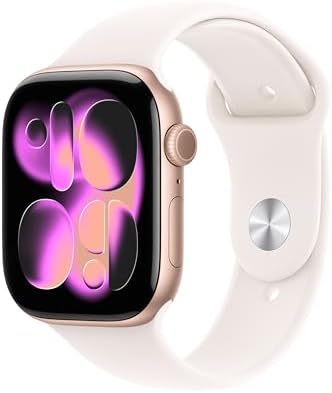
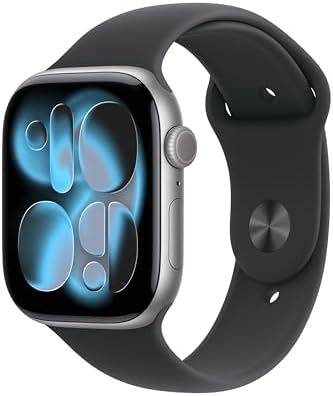
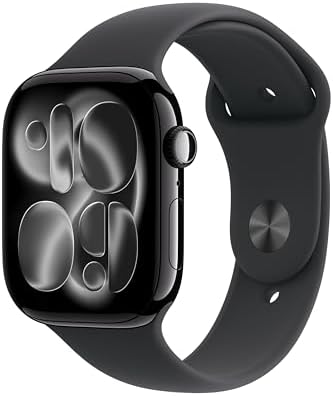
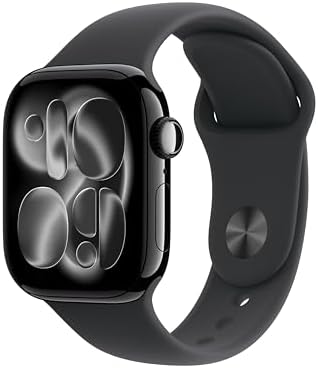
The optical heart rate sensor continues to sample during swim workouts, and the always-on display lets a swimmer glance at elapsed time and distance mid-length without raising the wrist dramatically. A configuration such as the Apple Watch Series 11 GPS 46mm packs that sensor stack into a larger case, a size that suits swimmers who prefer a bigger readout poolside. The case pairs with the Sport Band, whose fluoroelastomer construction resists chlorine and salt water and can be rinsed after a session.
Water lock mode expels moisture from the speaker and prevents accidental taps on the touchscreen while swimming. Turning the digital crown after a workout clears residual water and restores normal touch response, a small interaction that becomes routine for regular swimmers. The watch also supports sleep tracking and recovery metrics, which matter for swimmers monitoring training load across a week of sessions.
Where the Series 11 Fits a Swim Training Plan
A structured week for a club swimmer typically includes technique work, threshold sets and longer aerobic swims. The Series 11 handles all three through its workout types and set detection, then feeds the data into the Health app and Fitness app for review. Heart rate zones help calibrate intensity, and the SWOLF trend shows whether a swimmer is holding efficiency as volume rises.
For triathletes, the multisport workout mode transitions between swim, bike and run segments without ending the session, which keeps the whole race or training brick in one record. Open water GPS accuracy depends on stroke mechanics and satellite conditions, and coverage above the water line is the limiting factor rather than shallow submersion depth. Swimmers who train primarily in open water should expect segment-level rather than perfectly smooth continuous traces.
- Rating: 50 metres water resistance under ISO 22810:2010, suitable for shallow-water activity
- Pool metrics: Distance, pace per 100m, stroke count, splits, auto sets, SWOLF
- Open water: GPS distance and pace, stroke mix logging
- Recognition: Automatic stroke detection and kickboard detection
- Convenience: Water lock mode and digital crown water ejection
- Recovery: Heart rate zones plus sleep and recovery tracking across the week
The choice between a dedicated swim watch and the Series 11 usually comes down to whether a swimmer wants one device for training, daily wear and health monitoring. The Series 11 covers the swim data set completely and adds the everyday functions that a single-device owner expects, from notifications to contactless payment. Swimmers who only need lap counting may find a simpler device adequate, but the efficiency and stroke analytics here are the reason many keep the watch on for every session.
Buying Considerations Before Committing
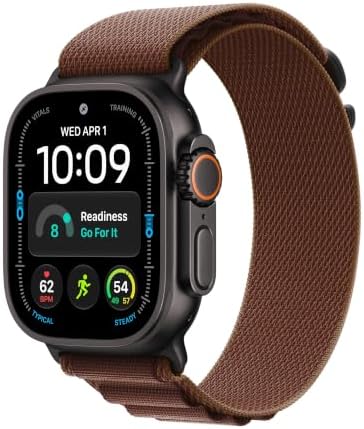
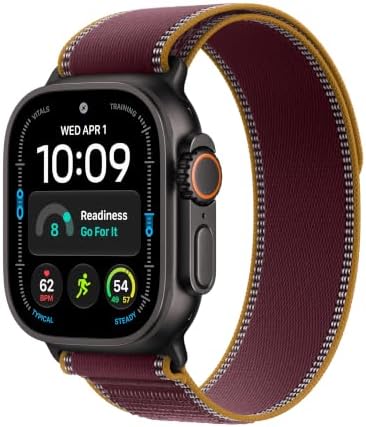
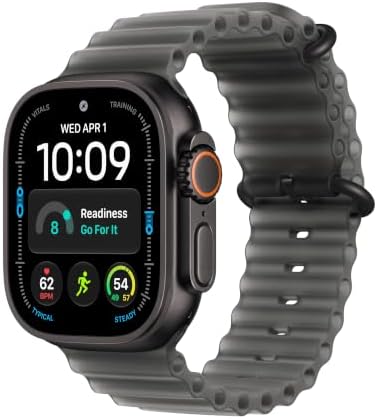
Case size is the first practical decision. The 46mm aluminum variant gives a larger display that is easier to read at arm's length in a lane, while smaller wrist sizes may prefer the narrower option in the range. Band choice matters for water use: fluoroelastomer and woven bands rinse clean and dry quickly, while leather and fine-woven options are best kept for dry-land wear. Apple recommends rinsing the watch with fresh water after exposure to chlorine or salt and drying it before charging.
The GPS versus cellular decision turns on whether a swimmer trains without a phone nearby. Pool work rarely needs connectivity, but open water sessions benefit from cellular for safety and for streaming music without a handset on the shore. Repair coverage is worth considering for anyone training daily in water, since gaskets and seals are service items over a multi-year ownership horizon.
For swimmers who want a single wearable that records the session properly, reports efficiency rather than raw length counts, and then tracks recovery through the night, the Apple brand's current lineup balances the requirements cleanly. The 50-metre rating covers the training environment, the stroke and set detection cover the data, and the design keeps the device wearable outside the pool. That combination of a verified water resistance benchmark and a documented swim toolkit is what makes the model a credible purchase for swimmers rather than an occasional pool visitor.
 Just Pick Your Favorite Stylish Watch online












Item Reviews