The Apple Watch Series 11 introduces Training Load, a metric that turns accumulated workout data into a single readout of how hard the body has been working over time. Paired with heart rate zones and a new sleep score, it positions the Series 11 as a recovery-aware training partner rather than a simple step counter.
Apple states that the Series 11 offers up to 24 hours of battery life and a display that is twice as bright as its predecessor. For anyone who has ever squinted at a watch face mid-run under direct sun, that brightness figure matters more than most spec-sheet numbers. the Apple brand's wearable line has long leaned on readability and glanceable data, and the 46mm variant pushes both further.
Training Load Explained for Serious and Casual Athletes
Training Load compares short-term effort against a longer baseline, so a sudden spike in intensity shows up clearly instead of hiding inside weekly totals. Apple describes the feature as part of a broader health push that includes hypertension notifications, a detail that matters for users who train hard and want early signals about cardiovascular strain. The practical benefit is simple: an athlete can see whether a heavy week is productive overload or the beginning of overtraining, then adjust the next session accordingly.
Heart Rate Zones and Workout Views Built for Structure
Zones divide effort into bands, and the Series 11 displays them in customizable workout views. Runners, cyclists and rowers can arrange the metrics that matter to them, such as pace, zone and elapsed time, so the screen shows relevant data without scrolling mid-effort. The watch also supports multisport workouts, which transitions between disciplines without manually ending one activity and starting another.
Pacing tools extend the same logic. The Pacer function helps hold a target split, Race Route lets a user compete against a previous attempt on the same course, and stride metrics such as ground contact time and vertical oscillation give form-focused runners something concrete to work on. These are the kind of numbers that used to require a dedicated running pod; now they come from the wrist.
Recovery Metrics: Sleep Score and Daily Readiness
Training gains happen during recovery, and the Series 11 brings a sleep score into the picture. Instead of raw sleep stages alone, the score condenses overnight data into a single figure that is easier to interpret at a glance. Combined with Training Load, it forms a feedback loop: harder days show up in the load metric, and recovery quality shows up in the sleep score.
The 46mm aluminum configuration weighs 37.8 grams in the GPS version, light enough for overnight wear without becoming a distraction. That weight figure comes directly from Apple's published specifications and is worth noting for anyone who removes a watch before bed because it feels bulky.
Hardware, Dimensions and Everyday Durability
The 46mm case measures 46mm tall, 39mm wide and 9.7mm deep, with a 416 by 496 pixel display and 1196 square millimeters of display area. Those dimensions put it firmly in the larger-watch category, which suits users who prefer bigger touch targets and more on-screen data during workouts.
- Case size: 46mm with a 9.7mm profile
- Display: 416 by 496 pixels, 1196 sq mm area
- Weight: 37.8 grams (aluminum, GPS)
- Battery: Up to 24 hours per Apple
- Water resistance: Rated for swimming and water workouts
Water resistance supports pool sessions and open-water swims, and the swim workout screen is part of the standard workout interface. For triathletes, that means one device can cover the swim, the ride and the run without a case swap.
Why the Series 11 Fits a Fitness Routine
Most fitness wearables excel at collecting data and struggle at interpretation. The Series 11 leans toward interpretation: heart rate zones tell a user how hard a session was, Training Load tells them how it fits into the broader pattern, and the sleep score tells them whether the body is keeping up. Fitness+ integration adds real-time personalized metrics onscreen, including heart rate, calories burned and Activity rings, which makes indoor sessions more guided.
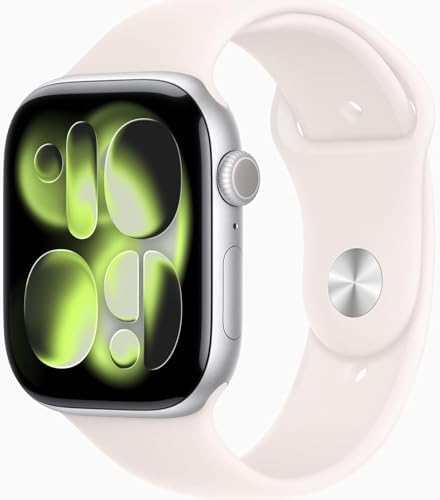
Buyers exploring the Series 11 lineup will find multiple case sizes and finishes, so the 46mm aluminum model is one entry point rather than the whole story. Those who want the brightest display and the largest canvas for workout views will gravitate toward this size, while smaller wrists may prefer the alternative case option.
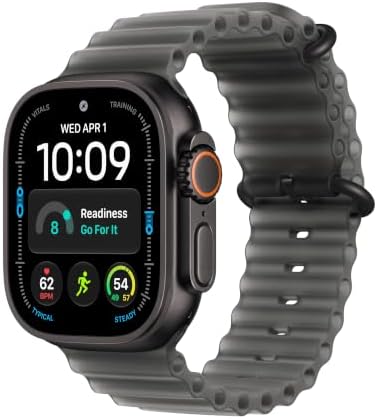
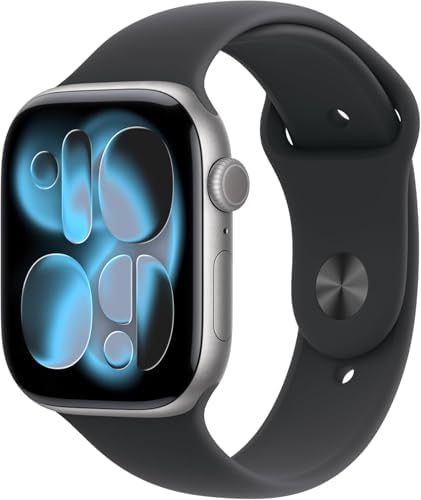
For a concrete reference point, consider the Apple Watch Series 11 GPS 46mm Jet Black Aluminum, the largest case with a GPS-only configuration, which suits runners and gym users who train without their phone but do not need cellular connectivity. The Jet Black aluminum finish keeps the watch visually understated, which helps when the same device has to work with business attire as well as running kit.
Who Should Consider the Series 11
Three user profiles stand out. First, structured runners and multisport athletes who want zones, pacing and form metrics without a second device. Second, general fitness users who value sleep and recovery insight as much as calorie counts. Third, Apple ecosystem users who prefer one device that handles notifications, payments and training data together.
The GPS-only variant makes the most sense for people who carry a phone on long runs or train mostly indoors. Cellular becomes relevant for those who want music, calls and emergency contact without a phone, a genuine safety consideration for solo trail sessions and early morning runs.
The Bigger Picture for Wrist-Based Training
Training Load marks a shift in how consumer wearables talk about effort. Instead of rewarding more activity unconditionally, the Series 11 nudges users toward balanced progression, where hard days are earned and recovery is measured. The sleep score reinforces that message, and the brighter display keeps the data legible when it matters most.
For anyone building a training habit, the appeal is coherence: one device that records the session, interprets the load, tracks the recovery and stays readable in sunlight. The Apple Watch Series 11 does not ask athletes to change how they train; it asks them to look at the same effort through a clearer lens.
 Just Pick Your Favorite Stylish Watch online















Item Reviews